
I’ve been reading a book by Chris van Tulleken, called Ultra Processed People. In my opinion this book should be read by everyone who makes the decisions about what they or what their family eats. I would describe this books as an eye opener!
In this book Chris talks about how modern western diets that consist of Ultra Processed Foods eg Big Mac, Coca-Cola, Kellogg’s coco pops etc are slowly becoming a serious problem for people by creating a type of addiction to these foods and others, and as a result this contributes to people becoming overweight or obese. According to WHO (World Health Organisation) in 2022, 1 in 8 people in the world were living with obesity, and since 1990 adult obesity has more than doubled and adolescence obesity has more than quadrupled! (Scary)
According to Chris one of the key reasons behind this is how food is produced or more accurately how it’s processed.
Ask yourself, do you actually know what you’re eating and what affects it’s having on you? Most people don’t, as we don’t have a degree in nutrition or microbiology ( well I don’t at any rate). Most of the foods we consume are processed in some way or another, generally this is to preserve them ie cooking, smoking, pickling are all processes done to a food to help it last longer.
There is a scientifically devised chart that categorises our foods and food products that can be used to show us if it has been ultra processed or not. This is- “ NOVA classifies all foods and food products into four groups according to the extent and purpose of the industrial processing they undergo. It considers all physical, biological and chemical methods used during the food manufacturing process, including the use of additives”. If a food falls into the NOVA class 1 or 2 then these are the foods that are better for you as they are natural, minimally processed or culinary processed, and have not undergone the ultra processing that can be harmful to you.
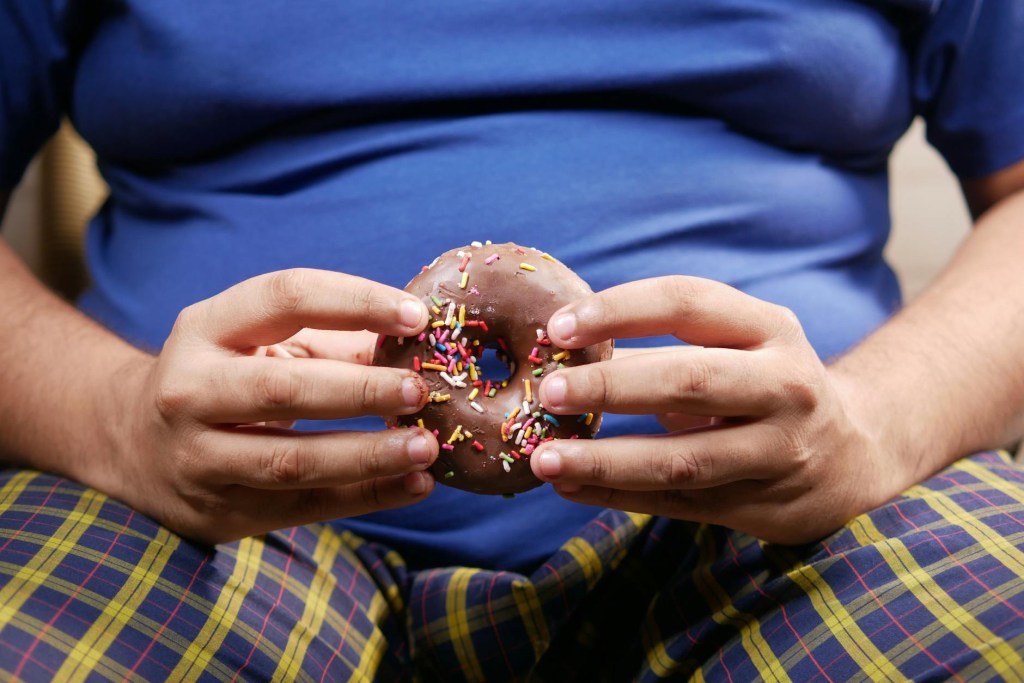
The long and short of it is as I imagine you already know, is that UPF is not good for us and we should try and reduce it in our diets.
So from now on I’ll be looking at the food label more carefully and trying to avoid foods that contain high-fructose corn syrup, ‘fruit juice concentrates’, invert sugar, maltodextrin, dextrose, lactose), modified oils (hydrogenated or interesterified oils) and protein sources hydrolysed proteins, casein, whey protein and ‘mechanically separated meat’. Cosmetic additives, also used and that I plan to avoid where possible are flavours, flavour enhancers, colours, emulsifiers, emulsifying salts, sweeteners, thickeners, and anti-foaming, bulking, carbonating, foaming, gelling and glazing agents.
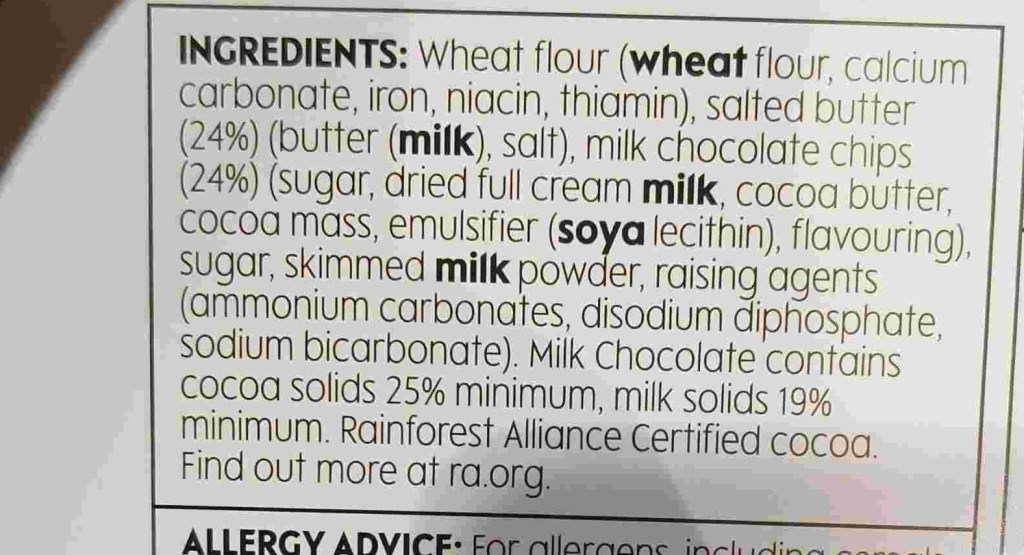
There’s definitely some ingredients that I won’t find in my kitchen pantry on this list.
The general rule of thumb is to eat food that looks as close to its raw components as you can, generally cheap mass produced food will contain ingredients that you won’t have in your kitchen store cupboard. If you try to buy fresh and locally sourced food the chances are it won’t have undergone nearly as much processing as something that comes from another country or out of season.
Let me know if you read any of the links and if you will be trying to cut back on UPF.

