
How to grow muscle
How Muscle Grows: The Real Truth Behind Building Strength and Size
Whether you’re hitting the gym for how you look in a sleeveless t-shirt, to enhance your performance, or overall health, muscle growth—also known as hypertrophy—is a common goal. However with so much contradictory advice online, it’s hard to know what actually works. Should you avoid protein powder and creatinine or be embracing them? Should you lift heavy weights, or increase your rep count? How often should you train?
In this blog I’ll try to break down some of the truth about building muscle and how you can make consistent progress without wasting time or money, both of which are important.
What Is Muscle Growth?
Muscle growth happens when muscle fibers experience micro-tears through resistance training. Your body repairs these fibers, making them thicker and stronger in response to the stress.
Progressive overload – is achieved by gradually increasing weight, reps, or intensity. For example if you start doing 10 reps bicep curls, for 3 sets, with a 3kg weight. After a while your body will adapt to this stress and it will become easier. To continue making progress you need to either, increase the amount of sets, reps or weight ie 10 reps, 3 set at 5kg.
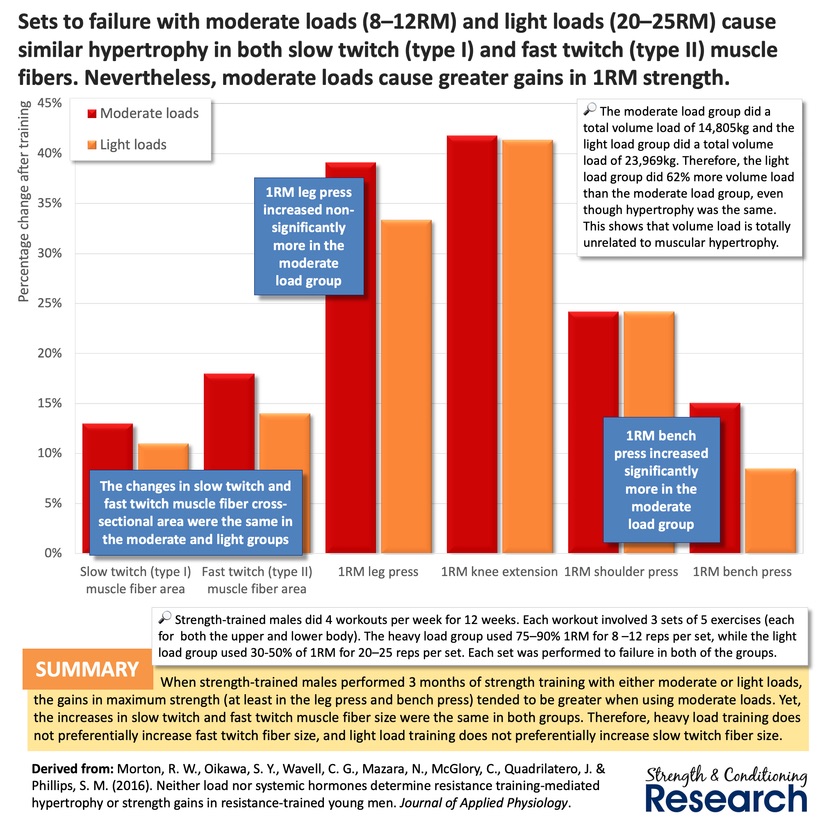
Volume – total workload (sets x reps x weight), what is your 1 rep max (this refers to the maximum amount of weight you can lift for one repetition of a given exercise)? Can you increase that or the amount you do?
Frequency – hitting each muscle group 2-3x per week is ideal for most unless your training for a competition or specific event.
This process is called hypertrophy, and it’s driven by three main factors:
Mechanical tension (lifting weights)- stress placed on muscle fibers, primarily during resistance training, which stimulates muscle growth.
Muscle damage (controlled stress) – or Exercise-Induced Muscle Damage (EIMD), can contribute to muscle hypertrophy through the subsequent repair process, this involves an inflammatory response, increased water uptake, and enhanced protein synthesis that repairs and strengthens the muscle fibres, thereby making the muscle larger and more resistant to future damage.
Metabolic stress (the “burn” you feel) – is the physiological process of metabolite accumulation in muscle cells during intense exercise, leading to the “burning” sensation which contributes to muscle growth.
Training for Growth
If you want bigger, stronger muscles, your routine/ lifestyle needs to include:
🍗 Nutrition:
To put it simply training breaks down muscle. Nutrition builds it back up.
To grow muscle, you will need approximately: Protein, around 0.7–1g per pound of body weight, this can be consumed by eating lean meats, beans, pulses, meat alternatives, eggs, some nuts and seeds, some dairy or protein powder/supplement’s. A slight calorie surplus to support repair and growth (-“bulking” phase, if you have muscle and want to display it you need to be in a “cut” phase and reduce your body fat percentage). Carbs for training fuel and recovery.
Hydration is vitally important as well– as muscle is mostly water.
Meal timing isn’t as important, but having protein around your workouts can help, as can creatinine.
Recovery: which can often be overlooked.
Muscles grow when you rest—not while you’re lifting. Therefore prioritising about 7–9 hours of “quality” sleep is key. Rest days to let your body recover, so don’t be tempted to train the same muscles day after day, try incorporating lighter training such as yoga or mobility and stretching in to your week.
Managing your stress levels which can result in high cortisol levels, this can interfere with muscle repair, it’s also been shown to reduce life span!
If you are consistent with hitting the above point you will see muscle growth. As with all things consistency is key if you are not meeting one or more of the above points then muscle growth may occur but at a smaller or reduced rate.
- Weight Loss Over 30 for Women: Why It Feels Harder — and What Actually Works
- Fat loss & Weight loss injections
- Muscle Growth
- The benefits of exercise
- Losing control

