Taking a closer look at the endocrine system and hormones in general, we know from much scientific research that hormones are responsible for appetite & digestion, stress, sleep, mood, growth & development and tissue function as well as others. The hormones we produce mediate changes in targeted cells by binding to specific hormone receptors. Therefore as hormones are transported about the body, they target specific cell type and these cells will only react to the correct hormone it connects to.
Key hormones are insulin & glucagon, Testosterone & Oestrogen, catecholamines & corticosteroids, growth & thyroid. Insulin and glycogen help regulate blood glucose levels, this fuels your cells and provides energy to your body.
Both males and females produce Testosterone and Oestrogen and different levels ie women generally produce more oestrogen and some testosterone while, males produce more testosterone and a small amount of Oestrogen. These hormones can affect, red blood cell production, muscle size and strength, bone mass, fat distribution and sex drive.
These levels in women fluctuate naturally during her life depending upon menstrual cycle, pregnancy, and menopause.
This can impact on how a woman should eat and what and what type of exercise is appropriate when.
So if you’re biologically female there are 3 main phases to a woman’s hormonal journey. They are referred to as puberty usually between (typically starting between age 10-11 in girls), childbearing years, and menopausal years (in the UK the average age is 51). It doesn’t matter where you are on this hormonal journey, what is important is what eat and drink can affect this delicate balance and either help or disrupt this journey.
There are chemical stressors that can occur from consuming the low/ poor nutrient dense foods or drinks, this in turn can contribute to a hormonal imbalance —whereas eating and drinking a variety of high density nutrient foods will promote good hormone regulation and a happier and healthier you.
The trick is learning how to eat the foods that are ‘good’ for us and our hormones, rather than the foods we normally consume on a western diet.
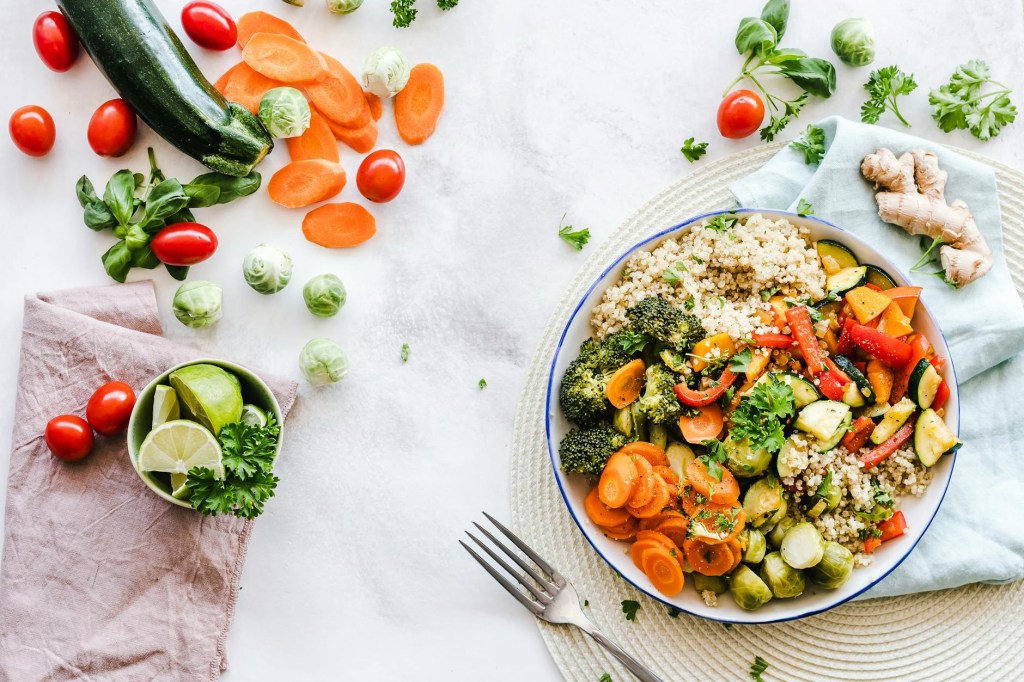
The key things we need to be including in our diets are:- vitamins, minerals, fatty acids, and amino acids. Without one of these key nutrients ,your body struggles to function properly. You need adequate amounts of these nutrients to make your hormones, and if one of these nutrients is deficient , it can have a massive impact on your body’s hormone production. Unfortunately there’s not a one size fits all, as each woman’s hormone levels will be different, but we can offer guidance in improving diet and ensuring that you eat a neutrality diverse diet will help.
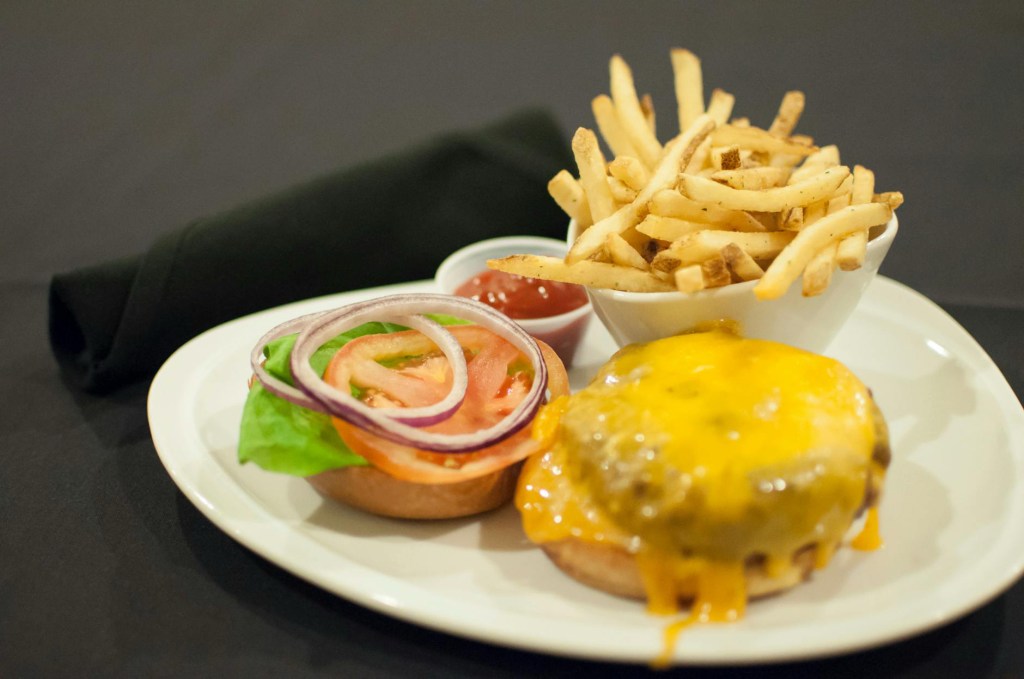
In a typical western diet, we consume highly processed, refined-foods (UPF) that are often lacking in the necessary nutrients your body needs, not only are they lacking key nutrients but they often contain undesirable chemicals that can deplete the good nutrients you have in our bodies. By consuming a diverse range of healthy whole foods, this ensures that you are getting all the key nutrients.
Ladies were you aware that the birth control pill, can affect absorption of some key nutrients and un-naturally alter your hormones? If you are currently on any oral birth control pill or have spent years on it then you may want to consider taking some supplement to boost your diet. There is some research that shows that the following key nutrients are reduced with the use of oral contraceptives these are:- Folic acid, Vitamins B2, B6, B12, Vitamin C, Vitamin E, Magnesium, Selenium, Zinc. If you have concerns speak to your health care provider and ask for a blood test or ask if they feel you may benefit from taking the above supplements.
There are other factors to consider that could also be affected your hormones, such as external environmental factors. Depending on where and what you do for a living, where you live, environmental pollution, what your activity levels are….the list goes on.
Basically by taking a closer look at your diet and what you should eat, it can help optimise your health and improve your overall health and fitness. Tracking what foods and nutrients you consume in a food diary is a great way to start (some online apps do this or you can go old school and use pen and paper). By seeing what you actually eat and not just what you remember, you can develop an accurate understanding of your diet and see if it is lacking in any key nutrients and how you can balance it. Also by journaling you may notice you sleep better on nights you go to the gym or days you do a lot of driving you develop more muscle aches etc. By documenting not just diet but activity levels, overall mood, energy and wellbeing, you may notice correlations in diet, activity, mood and so on and be able to improve your overall health and fitness. Your health is controlled by the choices you make and you can choose to make better decisions.
If you have any concerns speak to your medical professional and they can advise you further.
If you want more information go look at the book Eat Like a Girl
by Dr. Mindy Pelz.

